Myopia: What Every Parent Should Know
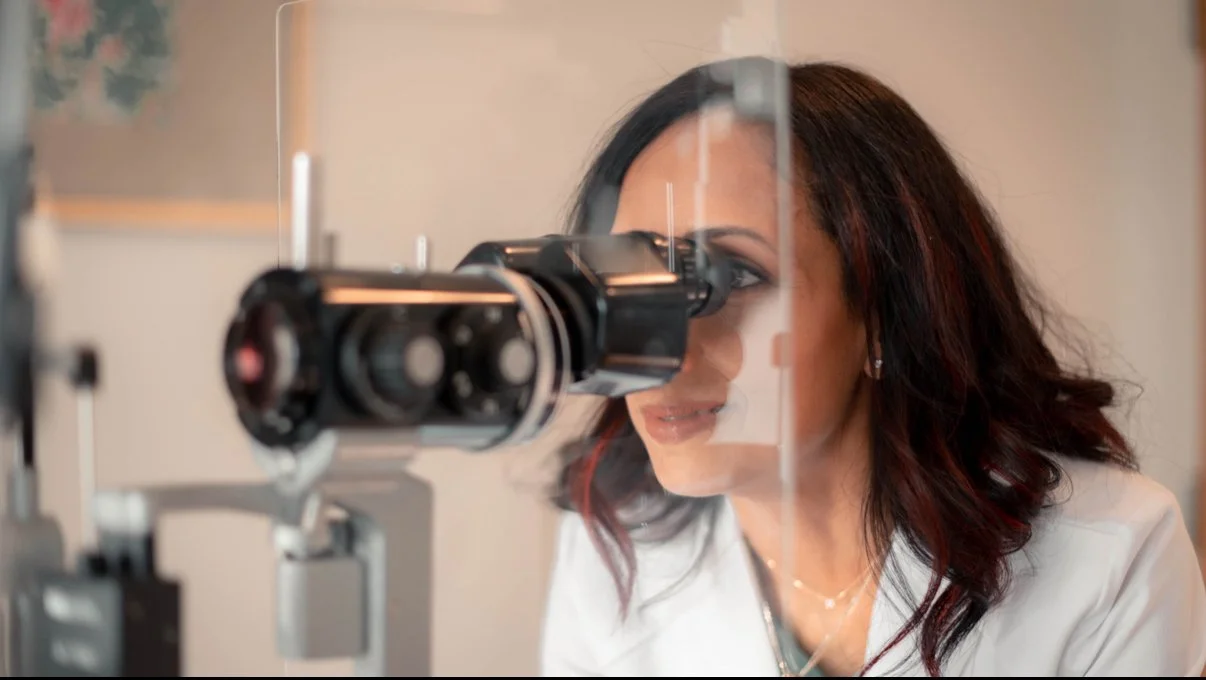
As both a pediatric ophthalmologist and a mom of three, I’ve had countless conversations with parents who feel anxious every time their child’s prescription gets stronger. You’re not imagining it — childhood myopia is becoming more common, and it can progress faster than most people realize.
But here’s the good news: there are now proven ways to slow it down.
Over the years, I’ve created videos, podcasts, and blog posts to help families understand what’s really happening with their child’s eyes — and what they can do about it. Whether you’re just starting to notice changes in your child’s vision or you’ve been managing myopia for years, this page brings everything together in one place.
My goal is simple: to help you make confident, informed choices that protect your child’s long-term eye health.
What is Myopia Management?
ARTICLES
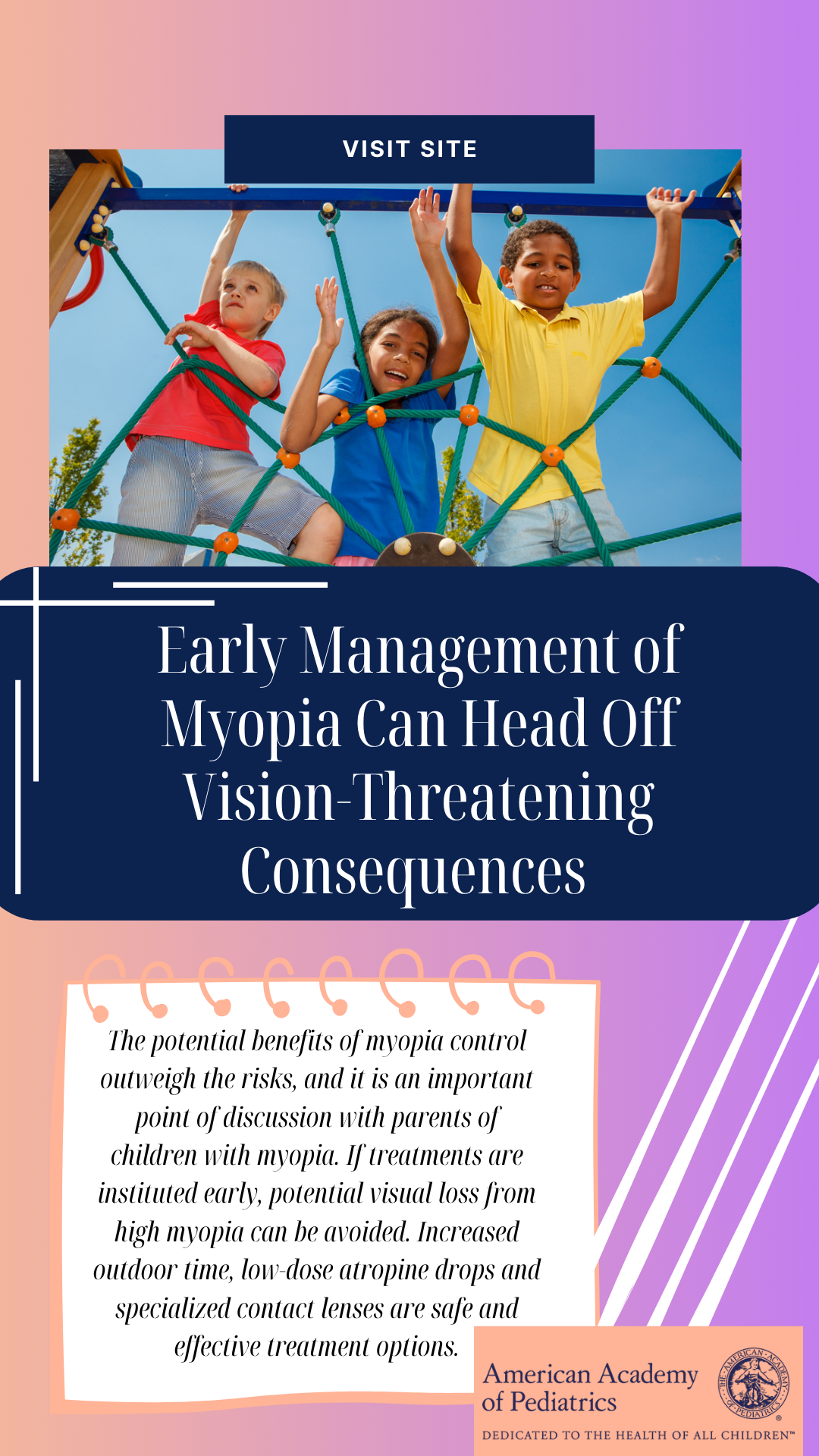
In my clinic, I’m often asked whether using a night light will worsen a child’s vision. It’s a question that comes up again and again, usually tied to an old study that still circulates online. As both a pediatric ophthalmologist and a parent, I want families to know that the concern is understandable—but the fear is outdated. When we look at higher-quality data, night lights are not the driver of nearsightedness, and parents can make this choice without worry.
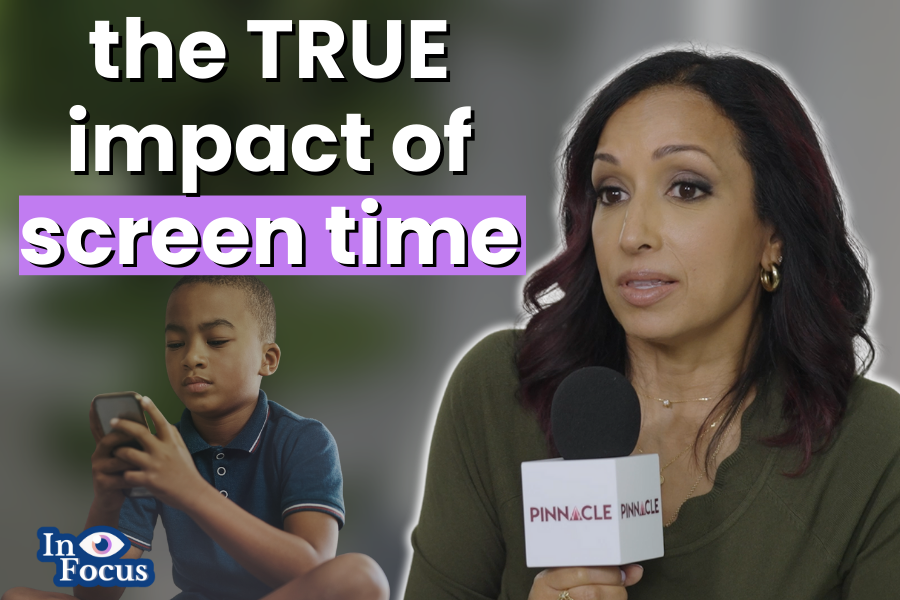
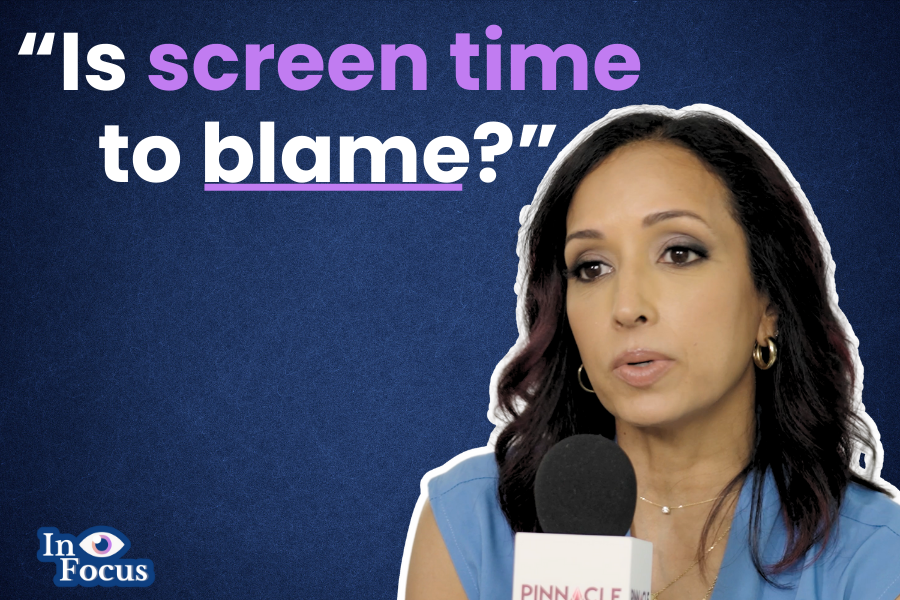
I see this all the time in my clinic—and in my own home. As both a pediatric ophthalmologist and a mom of three, I know how overwhelming the screen time battles can feel. We all want to protect our kids’ health, but between conflicting studies, endless advice, and the sheer pull of technology, it’s tough to know where to start. That’s why I always turn back to the research and then ask: how do we actually make this doable in real life?
I see kids every single day who come in for glasses, only to need a stronger prescription year after year. Parents often wonder if the glasses are actually making things worse—and the truth is, in some ways, they can. In this blog, I’m breaking down why nearsightedness progresses, what new research shows about traditional lenses, and the exciting advances in glasses that can actually slow myopia in children.
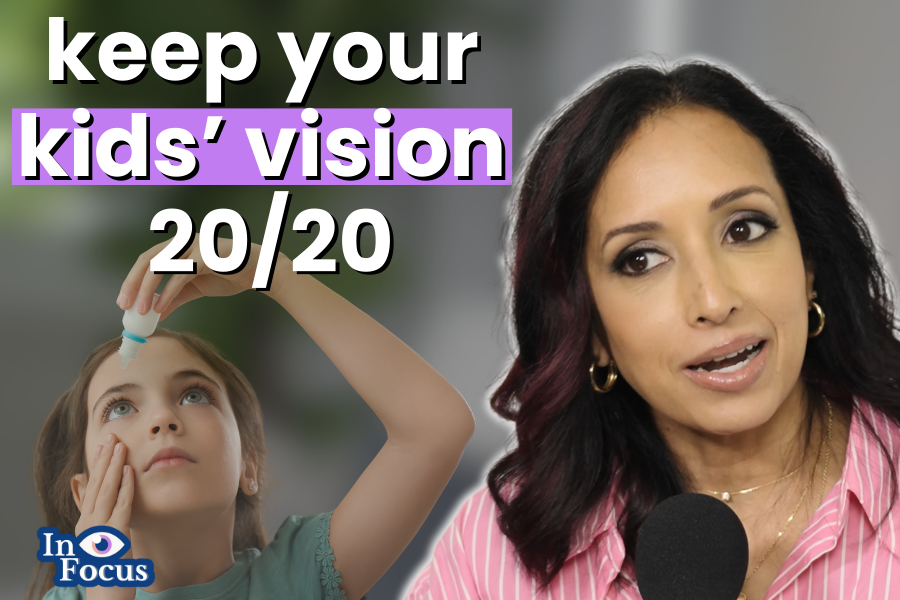
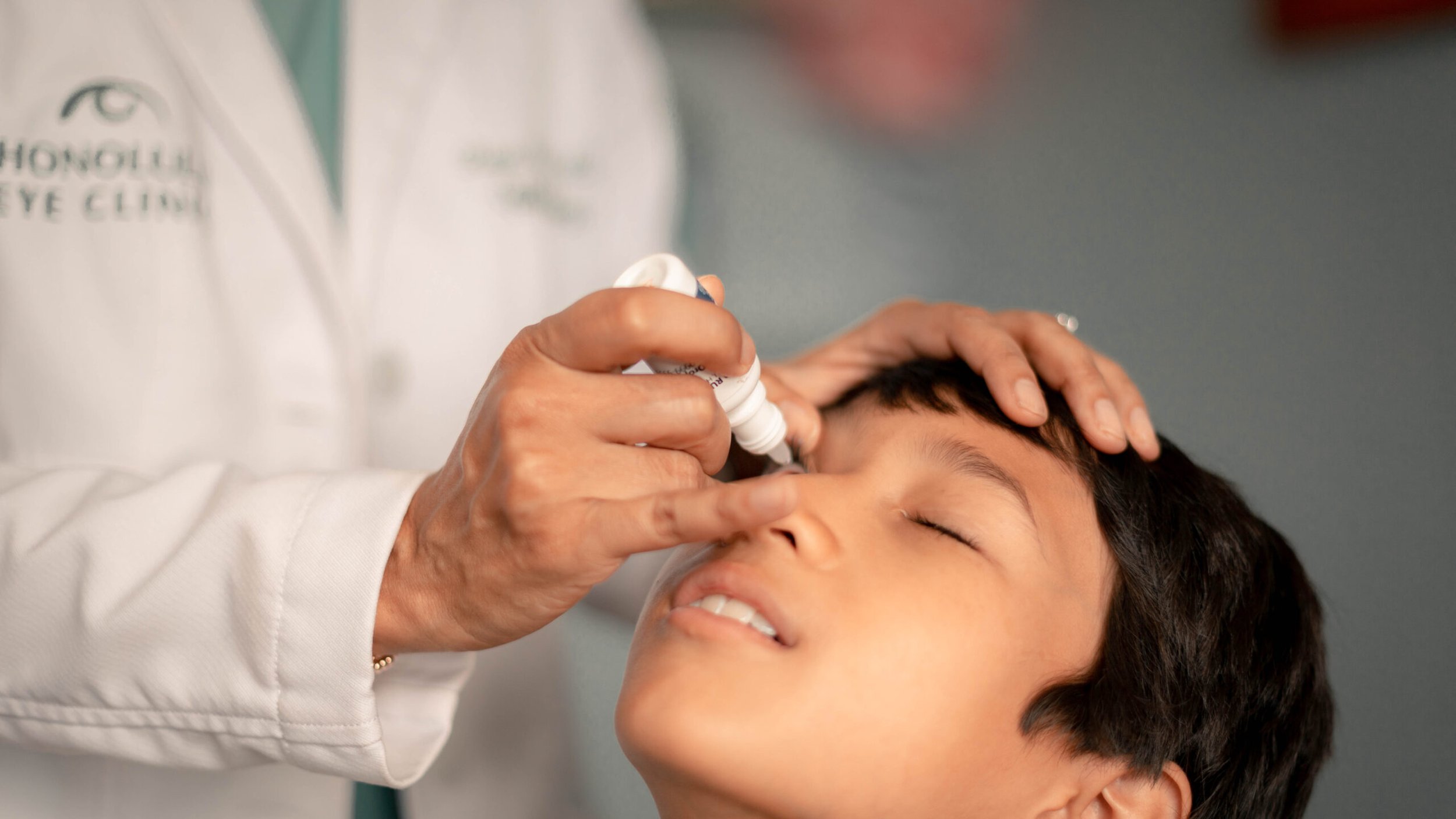
As a pediatric ophthalmologist and mom, I get asked all the time why my kids don’t wear glasses—even though my husband is very nearsighted. The truth is, I started them on low-dose atropine eye drops years ago, before they ever needed glasses. In this post, I share why I made that decision, the science behind treating “pre-myopia,” and what it’s been like balancing evidence, parenting, and prevention in real life.
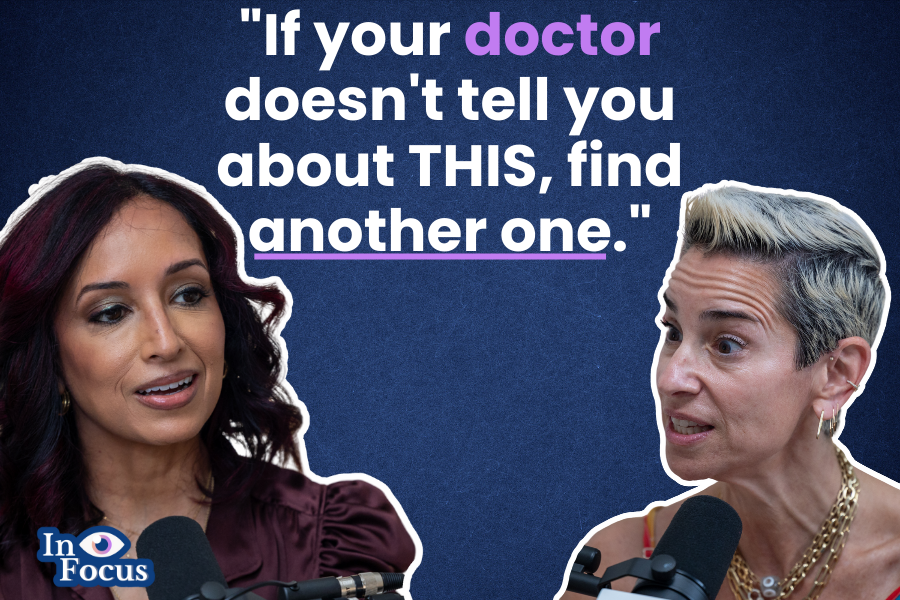
As a pediatric ophthalmologist, I see firsthand how quickly nearsightedness can progress in kids—and why it’s about more than just glasses. In this episode, I talk with my friend Shieva Ghofrany, MD, a mom of three and high myope herself, about the real-life challenges of starting myopia treatments for her children and why she made it a non-negotiable. If your child’s prescription keeps increasing, this conversation will help you feel informed and empowered.
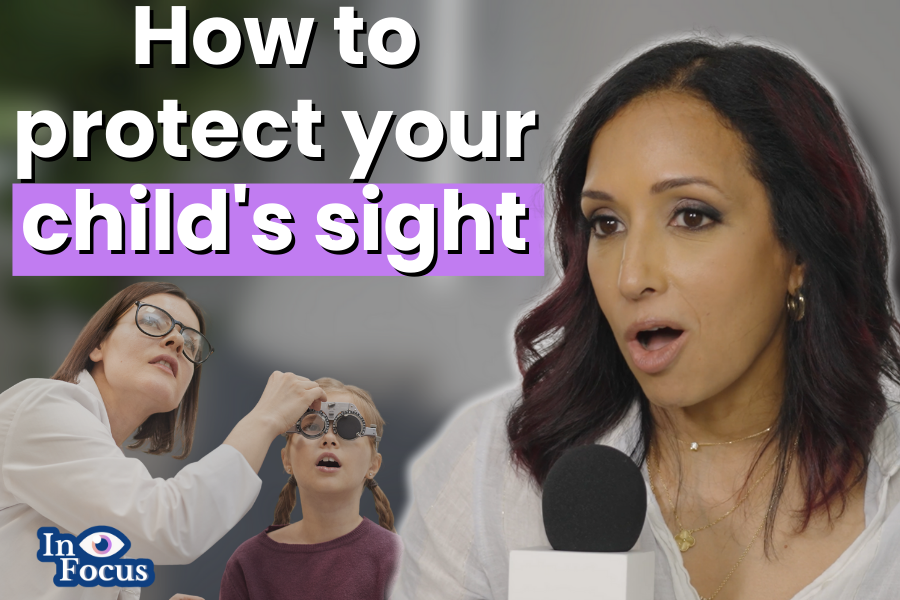
As a pediatric ophthalmologist and a mom, one of the questions I get asked most often is why so many kids are nearsighted today. It’s not just a trend—rates of myopia have risen dramatically, and it’s about more than glasses. Early and fast-progressing nearsightedness increases the risk of serious eye conditions like retinal detachment, glaucoma, and macular degeneration. In this post, I break down why we’re seeing this rise, why it matters, and what parents can do to help protect their children’s long-term eye health.
As a pediatric ophthalmologist and mom of three, I break down what every parent should know about nearsightedness, screen time, and protecting your child’s vision. Backed by research and real-life experience, this episode makes kids’ eye health easier to understand—and act on.
In this episode of It’s Good to See You, Dr. Rupa Wong dives deep into the world of myopia management for kids. With the rising prevalence of myopia, or nearsightedness, it’s more important than ever for parents to understand how they can help slow down its progression in their children. Dr. Wong explains the science behind myopia, including Dr. Earl Smith’s theory of hyperopic defocus, and why addressing this early can protect your child’s vision for the long term. She also explores four effective myopia management treatments — low-dose atropine, MiSight contact lenses, orthokeratology (Ortho-K), and special spectacle lenses like Stellest and Miyosmart glasses. If your child struggles to see clearly or you’ve noticed them squinting at the board, this episode will provide valuable insights and actionable advice.
PODCASTS
Learn how to prevent and manage childhood myopia (nearsightedness) with expert advice from pediatric ophthalmologist Dr. Rupa Wong. Watch videos, explore tips, and get evidence-based guidance for your child’s eye health.
Screens can be a lifesaver some days, but too much time on devices can affect kids’ vision, focus, and even sleep. The good news? There are plenty of engaging, screen-free activities that kids actually love. From brain-teasing puzzles to classic card games and creative outlets, here are my favorite options that keep little hands (and minds) busy—without a screen in sight.
As a pediatric ophthalmologist—and a mom—I completely understand the worry that creeps in when it comes to your child’s vision. There’s so much information (and misinformation) floating around, and one question I get asked a lot is:
“Is it true that using a nightlight can cause my child to become nearsighted?”
As a pediatric ophthalmologist and a mom, I’m constantly thinking about how lifestyle choices impact our kids' health—not just their eyes, but their minds and bodies too.
As a pediatric ophthalmologist and a mom, I often notice kids squinting—sometimes it's just a quirky habit, but other times, it can signal an underlying vision problem.
As a parent, seeing your child struggle with myopia, commonly known as nearsightedness, can be concerning. Myopia occurs when the eye grows too long from front to back, causing distant objects to appear blurry.
BLOGS
SOCIAL POSTS
Learn how to prevent and manage childhood myopia (nearsightedness) with expert advice from pediatric ophthalmologist Dr. Rupa Wong. Watch videos, explore tips, and get evidence-based guidance for your child’s eye health.
Click the link above to explore all my social posts about myopia — from prevention and treatment tips to real-life conversations with parents.
And if you’d like to see even more, click below to browse all my latest social posts!



Myopia doesn’t have to feel overwhelming.
With the right guidance and early action, we can slow its progression and preserve healthy vision for years to come. Take your time exploring the videos, blogs, and tools here—and know that every small step you take makes a difference.
New research on myopia is coming out all the time, and I’m always sharing the latest updates and family-friendly tips in my newsletter. If you don’t want to miss what’s next, you can join below!