
Listen On


As a pediatric ophthalmologist and mom of three, I spend a lot of time thinking about screens — not just what they do to kids’ eyes, but how they shape the world our children live in. Kids today aren’t just watching content once a month like we did with magazines — they’re scrolling through thousands of images and videos every day. And that constant exposure is impacting how they think about themselves.
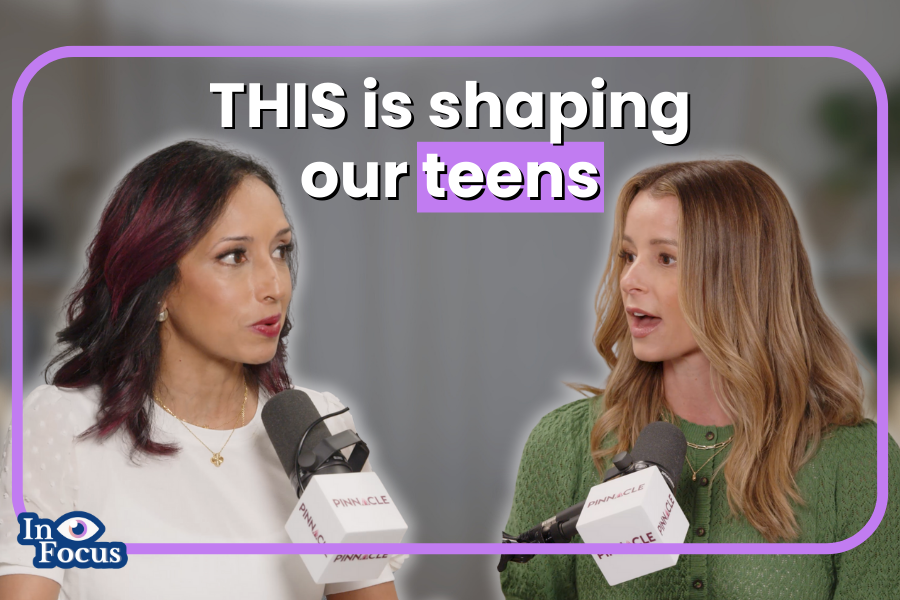
In this episode of In Focus, I spoke with Erin Treloar — certified health and life coach, founder of Raw Beauty Co, and creator of Free to Be Talks — about how social media is influencing children’s body image, confidence, and sense of worth.
A World Full of Filters
Erin’s story is powerful and deeply personal. She experienced body image struggles and disordered eating as a teen, and now helps both youth and adults build healthier relationships with food, bodies, and self-image. What’s striking is how early these issues begin. Today’s kids don’t just see a few glossy pictures; they see thousands of idealized images on screens every day — and their brains are still developing. They can’t always tell what’s real and what’s manufactured.
In our conversation, Erin reminded us that screens don’t just show images — they shape stories. And kids absorb those stories at a subconscious level, long before they’ve built the tools to interpret or critique them.
Start the Conversation Early
One of the most important things parents can do — and something Erin and I both agreed on — is to start talking before it becomes a problem. Waiting until a child expresses distress often means we’re already too late. Instead, we can:
Watch shows or videos together and ask simple questions like, “Does this look like real life?” or “Why does that character act that way?”
Encourage critical thinking about what they see online.
Use natural moments — like car rides or co-watching TV — to open gentle conversations.
Kids are much more perceptive than we give them credit for, and they’re already encountering these messages whether we like it or not.
Connection Before Correction
If your child ever says something like, “I don’t like how I look,” your instinct might be to rush in with reassurance. But the most powerful first step is to listen. Reflect back what they’re feeling, and then let them tell you why they feel that way. Connection builds trust — and when kids feel heard, they’re more likely to open up about what’s really going on beneath the surface.
Your Words Matter
What we say about our own bodies matters, too. Casual comments like “I feel fat” or “I’ve gained weight again” may seem harmless, but kids notice. Our language becomes a model for how they talk to themselves. Shifting the way we speak — even in small ways — helps shape a healthier internal dialogue for our children.
This Isn’t About Screens — It’s About Awareness
We can’t put our kids in a bubble or eliminate screens entirely, and tech filters alone won’t protect them. What does help is equipping them with tools to think critically, talk openly, and feel supported at home. Let’s help our children understand that their worth isn’t defined by filters, likes, or comparisons — but by who they are, how they feel, and how they see themselves in the real world.
Watch this episode on Youtube right now!
Thanks for reading—and for doing what you can to protect your child’s vision, one step at a time.
– Dr. Rupa Wong
Pediatric Ophthalmologist | Surgeon | Mom of 3
This episode is brought to you by The Pinnacle Podcast Network! Learn more about Pinnacle at learnatpinnacle.com