

Listen On


As a pediatric ophthalmologist, I frequently hear from parents who are navigating the challenges of amblyopia, or "lazy eye," in their children. This condition, where one eye has decreased vision compared to the other, can be confusing and frustrating to manage. In this post, I'll address some of the most common questions I receive to help guide you through this journey.
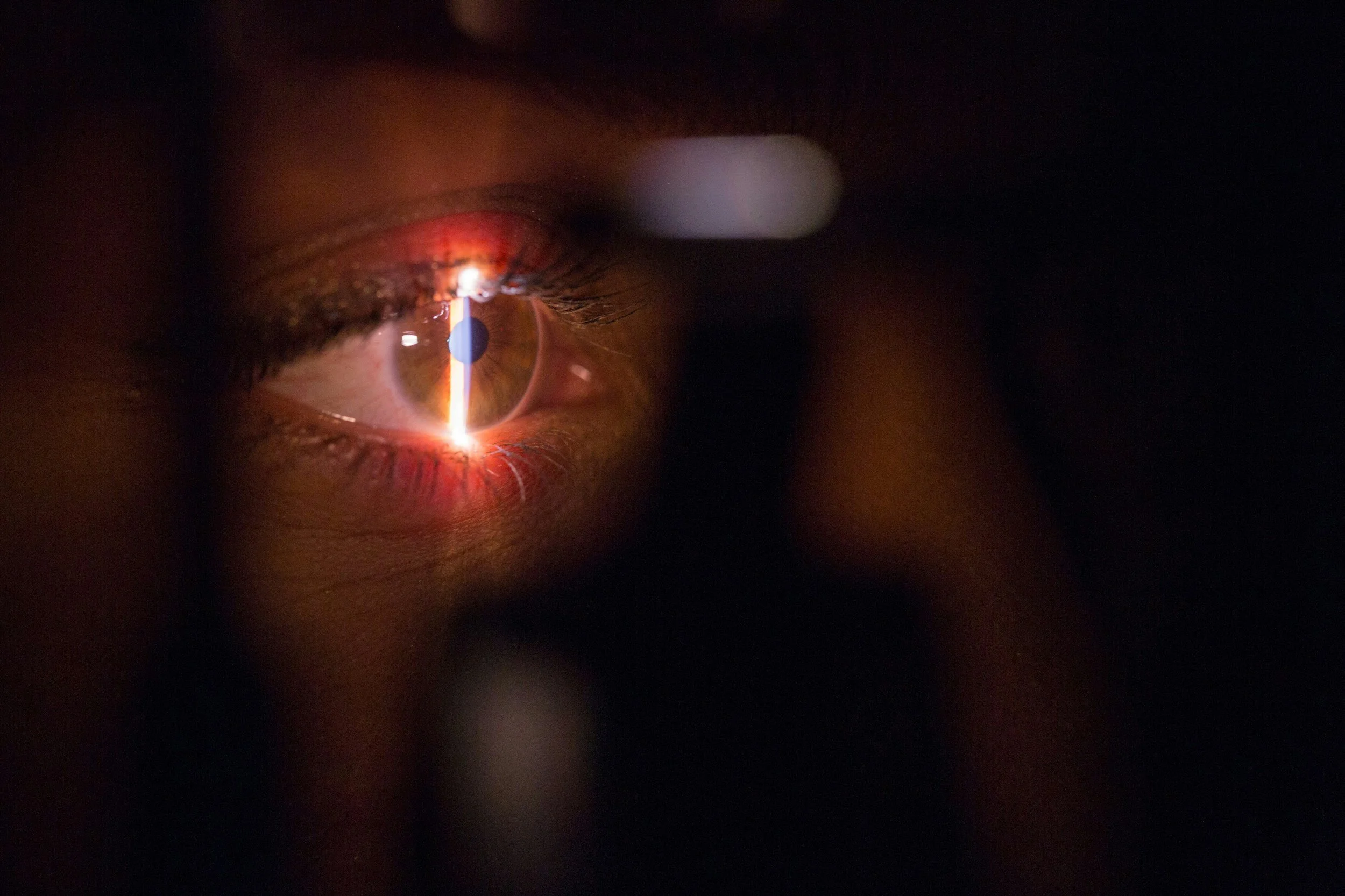
Why is surgery not the first option for amblyopia?
Amblyopia is not a structural issue with the eye itself, but rather a problem with the connections between the eye and the brain. In many cases, the root cause is a refractive error imbalance between the two eyes. The brain starts to favor the eye with better vision, causing the connections in the weaker eye to deteriorate.
In these cases, the first line of treatment is corrective glasses or contacts to balance out the refractive error. Surgery is not indicated, as there is no misalignment or structural problem to fix. The goal is to stimulate the weaker eye's connection to the brain through patching or other therapies.
For cases of strabismic amblyopia, where the eyes are misaligned, surgery may be recommended. However, even then, patching or other treatments are still necessary to rebuild the neural pathways and improve vision in the weaker eye. The surgery alone is not enough to fully treat the amblyopia.
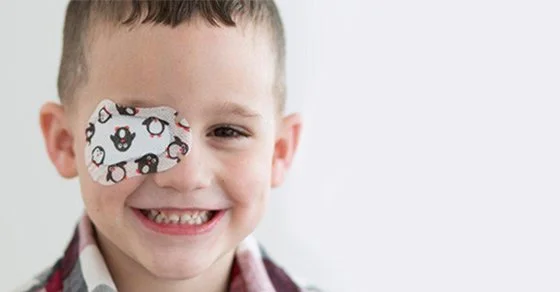
Can patching cause problems in the "good" eye?
This is a common concern, and one I take very seriously. Overpatching the stronger eye can potentially lead to a temporary decrease in visual acuity. However, this is quite rare and reversible if caught early.
That's why I recommend regular follow-up appointments, typically every 3 months, to closely monitor the vision in both eyes. We want to ensure the patching regimen is effective without overcorrecting. The key is to follow the specific patching schedule prescribed by your child's eye doctor - more is not necessarily better. Consistent, moderate patching is the goal.
Are there alternatives to patching?
Absolutely. While patching remains a mainstay of amblyopia treatment, there are other options, especially for children who really struggle with wearing a patch.
Atropine eye drops can be an effective alternative. These dilate the pupil and temporarily blur the vision in the stronger eye, forcing the brain to utilize the weaker eye. Studies have shown atropine can be just as effective as patching for moderate amblyopia cases.
Another exciting advancement is binocular treatments, like the Luminopia virtual reality system. These therapies present different images to each eye, challenging the brain to integrate the two and strengthening the neural connections. Many children find this type of treatment more engaging and tolerable than traditional patching.

Is it ever too late to treat amblyopia?
This is a common concern, especially for adults who may have struggled with amblyopia in childhood. The good news is that the window for effective treatment is wider than previously thought.
While the brain is most malleable for vision development in early childhood, studies show we can still achieve meaningful improvements in visual acuity through adulthood. Perceptual learning exercises and specialized video game therapies have demonstrated the brain's ability to rewire connections, even in adults with longstanding amblyopia.
So there is hope, no matter your age. I encourage anyone with a history of amblyopia to discuss treatment options with an eye care provider. With the right approach, significant gains in vision are possible.
The key is to be proactive and persistent. Amblyopia may require ongoing monitoring and management, as there is a risk of regression even after successful treatment. But with the right care plan and support, your child - or you - can overcome the challenges of amblyopia.
Connect with Me:
Follow me on Instagram
- Have a question about this episode or a future topic? Reach out to me at hello@drrupawong.com
Don’t forget to subscribe to It’s Good to See You wherever you listen, and if you found this episode helpful, please leave a review to help more parents discover this show!