
Listen On


As a Board-Certified Pediatric Ophthalmologist and mom of 3, I'm often asked a variety of questions about eye health and vision care. In this blog post, I'll be addressing some of the most common concerns and providing insights to help you better understand and protect your eyes.
Understanding the Differences Between Styes and Chalazions
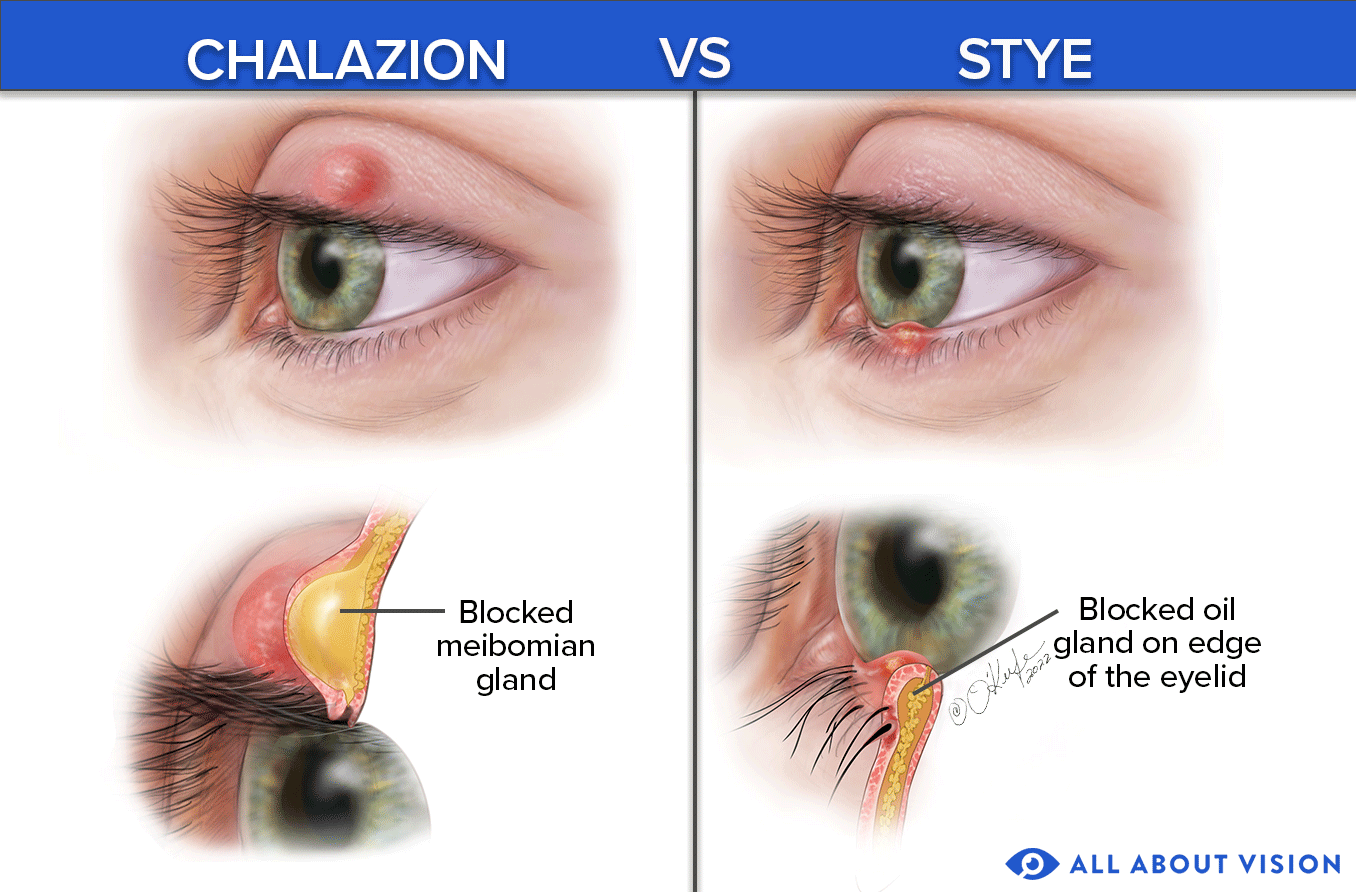
One of the most frequent questions I receive is about the difference between styes and chalazions. While these two eyelid bumps may appear similar at first glance, they have distinct causes and require different treatment approaches.
A stye, or hordeolum, is an acute infection of one of the oil-producing glands in the eyelid, typically caused by the Staphylococcus aureus bacteria. These painful, red bumps often develop quickly and can be effectively treated with warm compresses and, in some cases, topical antibiotic-steroid drops.
On the other hand, a chalazion is a blocked meibomian gland that has become inflamed, leading to a firm, painless lump on the eyelid. Unlike styes, chalazions are not usually infected, and they tend to persist for weeks or even months. The initial treatment for a chalazion is also warm compresses, but if it doesn't improve, a minor surgical procedure may be necessary to remove the hardened oil and reduce the inflammation.
The Impact of Makeup on Eye Health
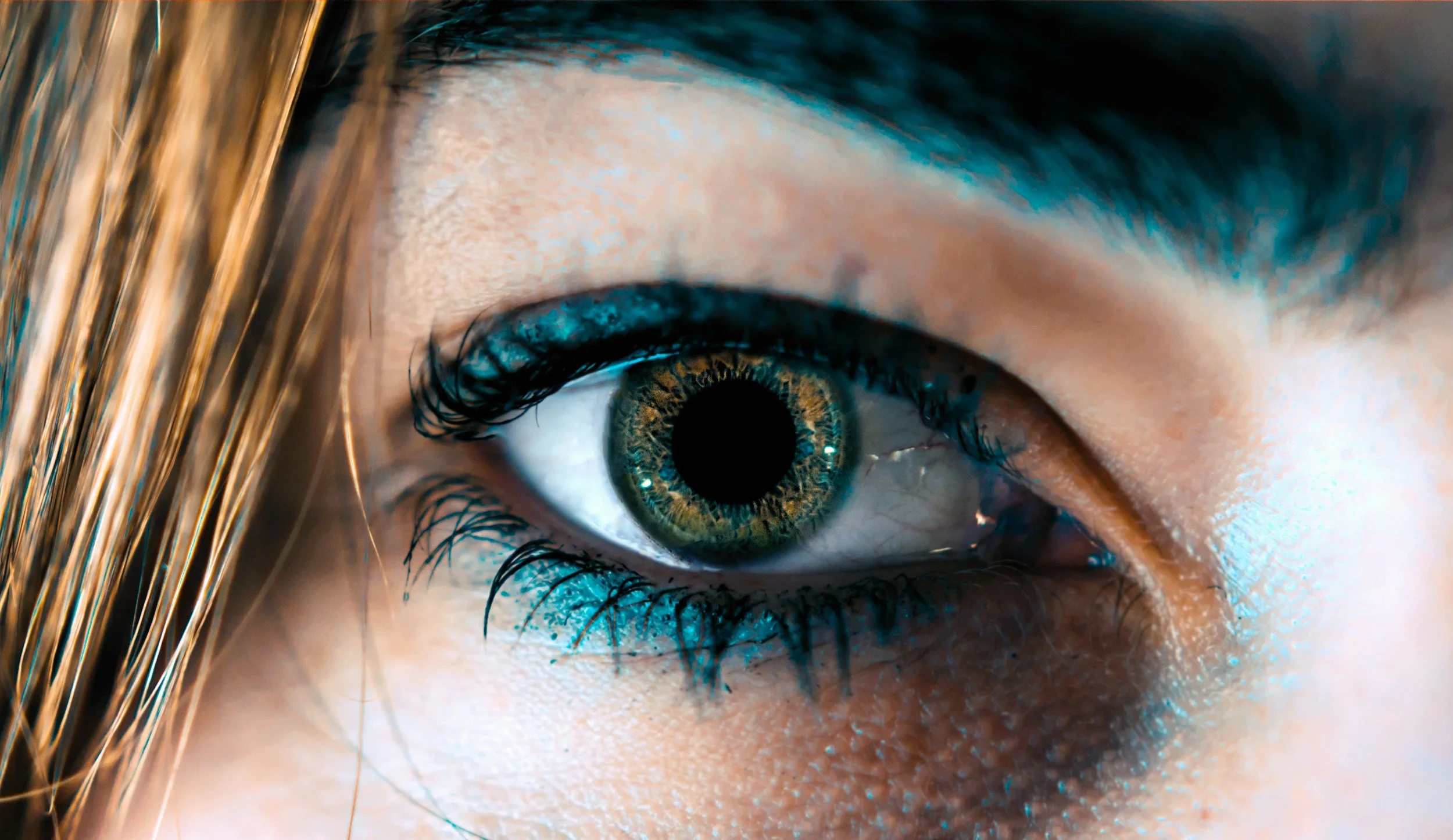
Another common concern I address is the impact of makeup on eye health, particularly when it comes to styes. Eye makeup products like mascara, eyeliner, and eyeshadow can accumulate along the eyelid margins and lash lines, clogging the oil glands and creating an environment ripe for bacterial growth. This can lead to the development of styes and other eyelid infections.
To minimize the risk, I recommend regularly replacing makeup products, especially liquid or gel formulas that are more prone to bacterial contamination. It's also crucial to thoroughly remove eye makeup before bed and avoid sharing cosmetics with others. If you're currently dealing with a stye, it's best to refrain from using any eye makeup until the infection has fully resolved.
Surgical Options for Persistent Chalazions
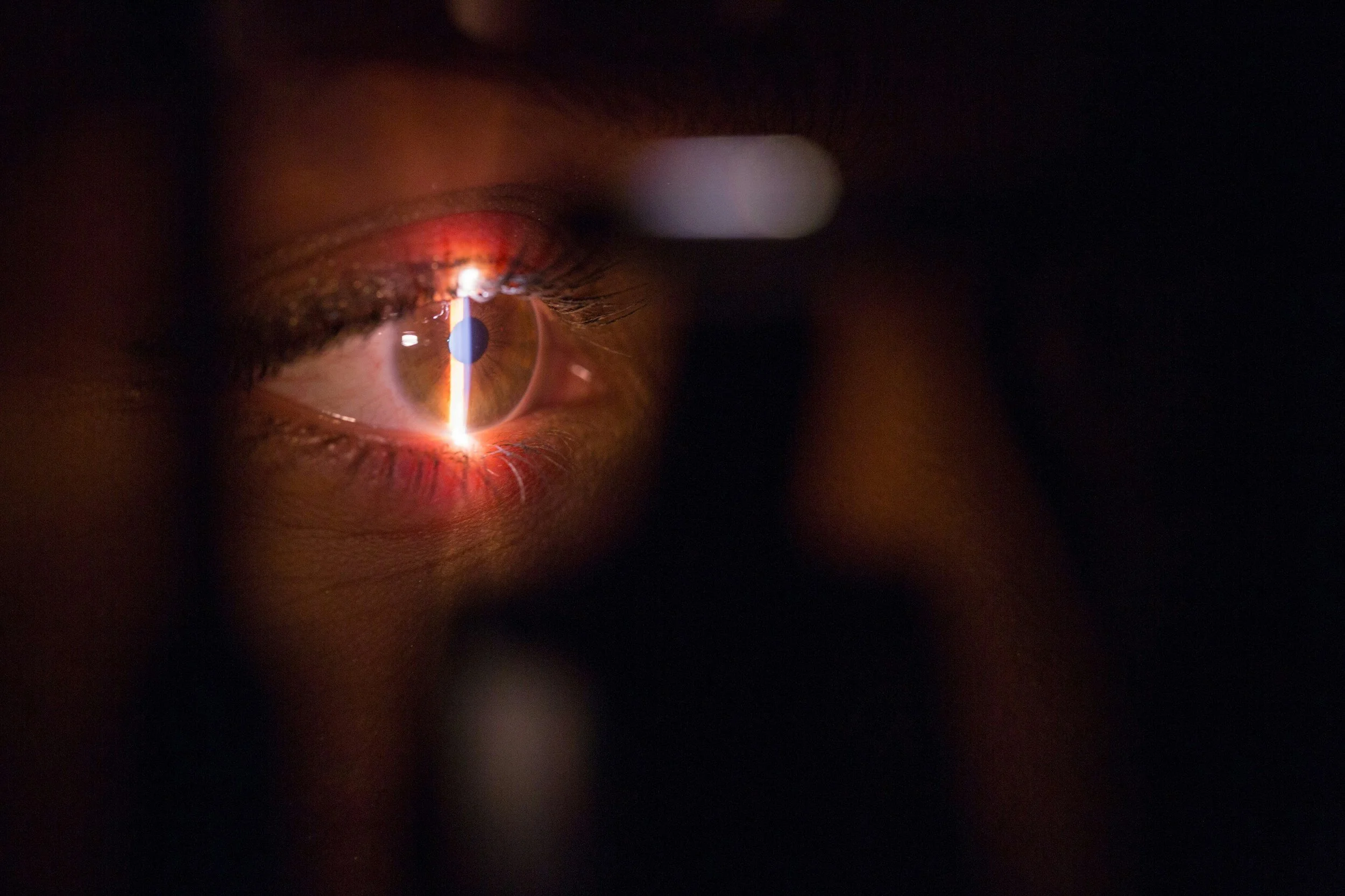
Finally, I often field questions about the need for surgery when it comes to persistent chalazions. While warm compresses and steroid treatments are usually the first line of defense, some chalazions may require a minor surgical procedure to remove the hardened oil and reduce the inflammation. This is a relatively simple in-office procedure for adults, while children typically undergo the surgery under general anesthesia.
The decision to pursue surgery is made on a case-by-case basis, taking into account the size, location, and duration of the chalazion. In many cases, the surgical intervention can provide lasting relief and prevent the chalazion from recurring.
I hope this blog post has provided you with a deeper understanding of some of the most common eye health concerns and the ways in which I, as an ophthalmologist, approach them. Remember, if you have any other questions or would like to learn more, be sure to tune in to the "It's Good to See You" podcast, where I dive even deeper into these topics and more.
Connect with Me:
Follow me on Instagram
- Have a question about this episode or a future topic? Reach out to me at hello@drrupawong.com
Don’t forget to subscribe to It’s Good to See You wherever you listen, and if you found this episode helpful, please leave a review to help more parents discover this show!