
Listen On


As a board-certified ophthalmologist, I hear one complaint from my patients more than any other - floaters. These pesky little specks and cobwebs that drift across our vision can be incredibly annoying, but they're also a common and usually harmless part of the aging process.
However, there are times when floaters can signal something more serious, and it's important to know when to seek medical attention. In this post, I'll explain what floaters are, what causes them, and when you should see your eye doctor.
What are Floaters?
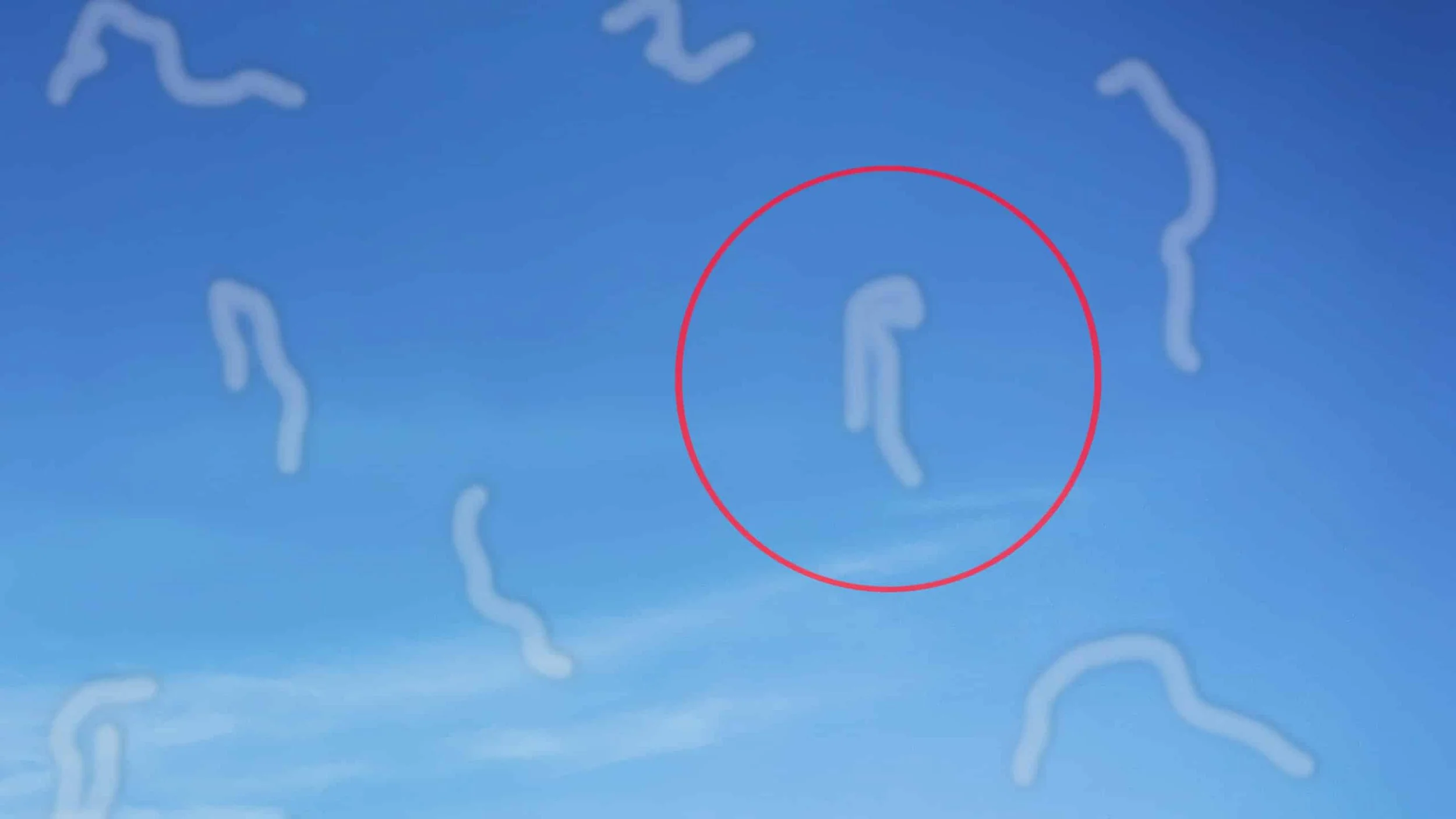
Floaters are small, shadowy shapes that appear to drift across your field of vision. They are actually small clumps of the vitreous, the gel-like substance that fills the inside of your eye. As we age, the vitreous starts to shrink and pull away from the retina, causing these clumps to form.
The vitreous is made up of 98-99% water, with some collagen, proteins, and other components mixed in. As it liquefies and shrinks over time, the collagen fibers can clump together, casting shadows on the retina that we perceive as floaters.
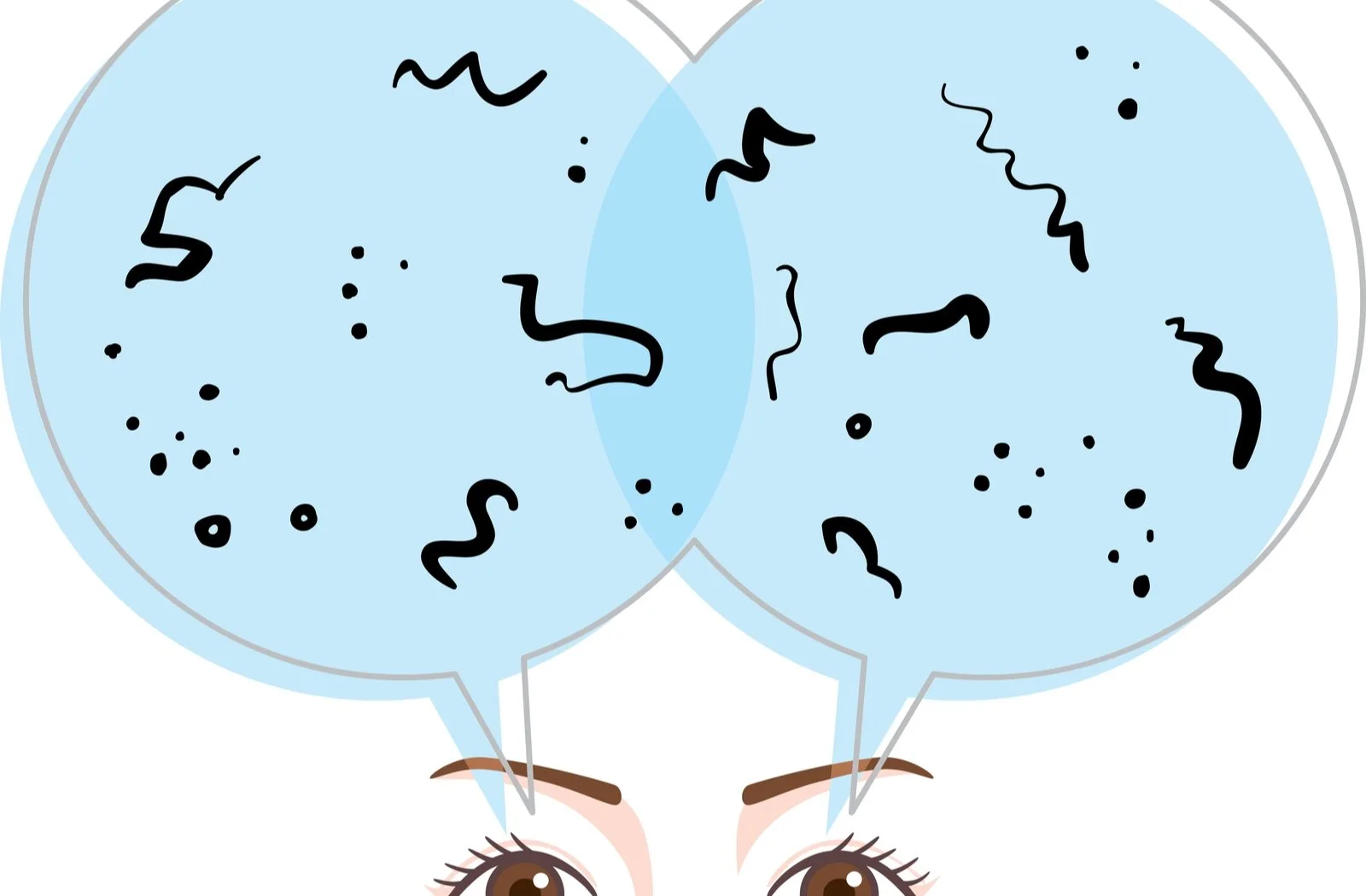
Floaters are extremely common, affecting around 70% of adults over 70. They can take many forms - from small specks and dots to larger, more pronounced shapes like circles or cobwebs. While annoying, floaters are usually harmless and don't require treatment.
When to Worry About Floaters
However, there are times when floaters can signal a more serious underlying condition that requires prompt medical attention. The main concern is that the vitreous pulling away from the retina can sometimes cause a retinal tear or detachment.
Symptoms that indicate you should see your ophthalmologist right away include:
Sudden increase in the number or size of floaters
Flashes of light in your peripheral vision
A curtain or shadow falling over your field of vision
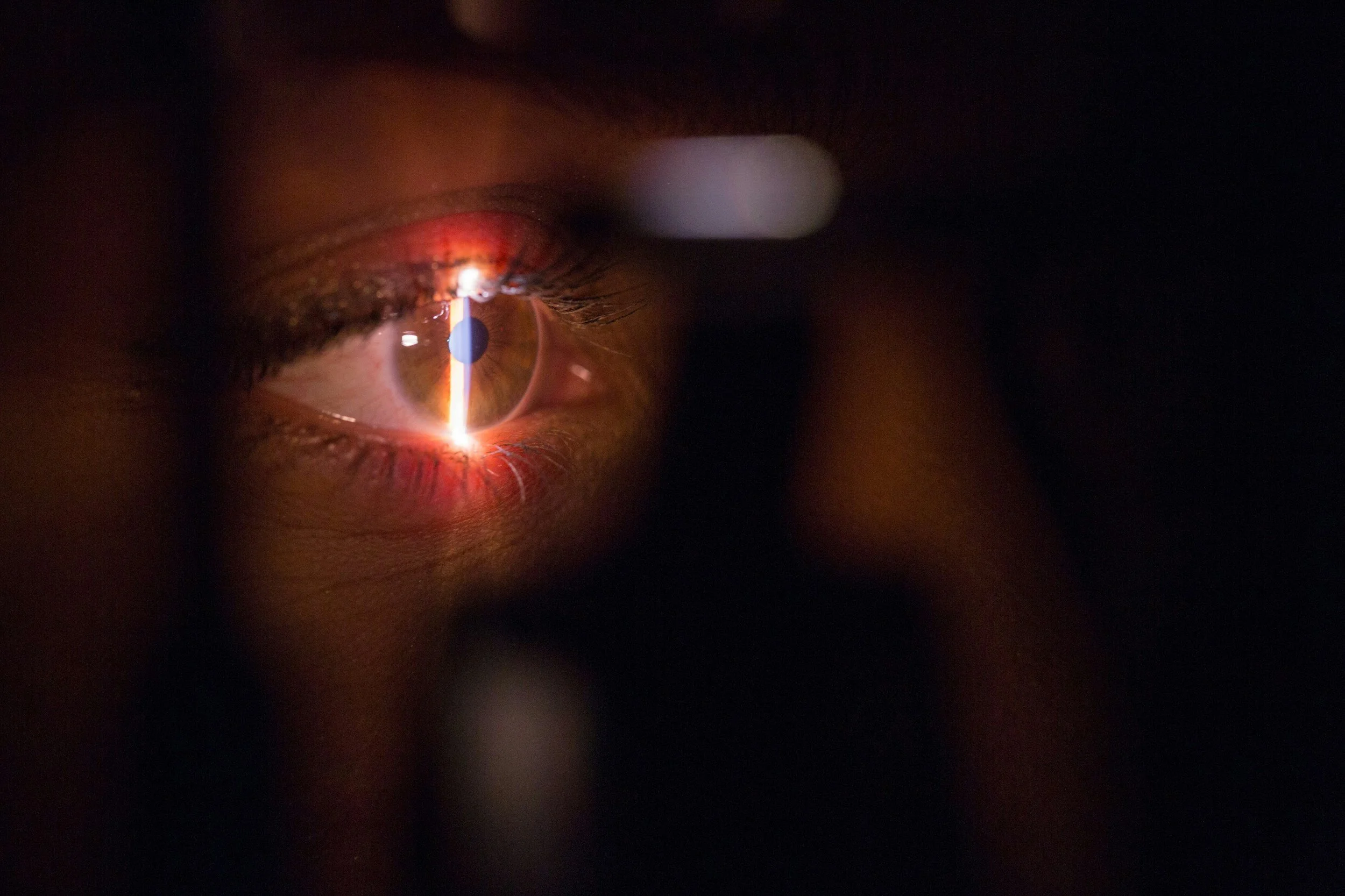
These could be signs of a retinal tear or detachment, which is a medical emergency that requires immediate treatment to prevent vision loss. Your eye doctor will perform a thorough exam, likely dilating your pupils to get a good look at the retina.
Treatments for Floaters
For most people, floaters are simply an annoyance that they learn to live with over time. As the vitreous continues to liquefy, the floaters often settle to the bottom of the eye where they're less noticeable.
In some cases, a procedure called YAG laser vitreolysis can be used to break up particularly troublesome floaters. This uses a laser to disrupt the collagen fibers causing the floaters. Studies have shown moderate improvement in symptoms for some patients, but it does carry risks like retinal detachment.
For severe, debilitating floaters that don't improve, a vitrectomy surgery may be recommended. This involves removing the entire vitreous and replacing it with a saline solution. It's an effective treatment, but also carries more significant risks.
The bottom line is that while floaters are a common and usually harmless part of aging, it's important to see your eye doctor if you experience any sudden changes or concerning symptoms.
Connect with Me:
Follow me on Instagram
- Have a question about this episode or a future topic? Reach out to me at hello@drrupawong.com
Don’t forget to subscribe to It’s Good to See You wherever you listen, and if you found this episode helpful, please leave a review to help more parents discover this show!