
Listen On


As a Board-Certified Pediatric Ophthalmologist and mom of three, I am often asked - what foods are best for our eyes? We've all heard the myth about carrots giving you perfect vision, but is there any truth to it? Let's debunk some myths and explore the real eye health superheroes!
The Carrot Myth
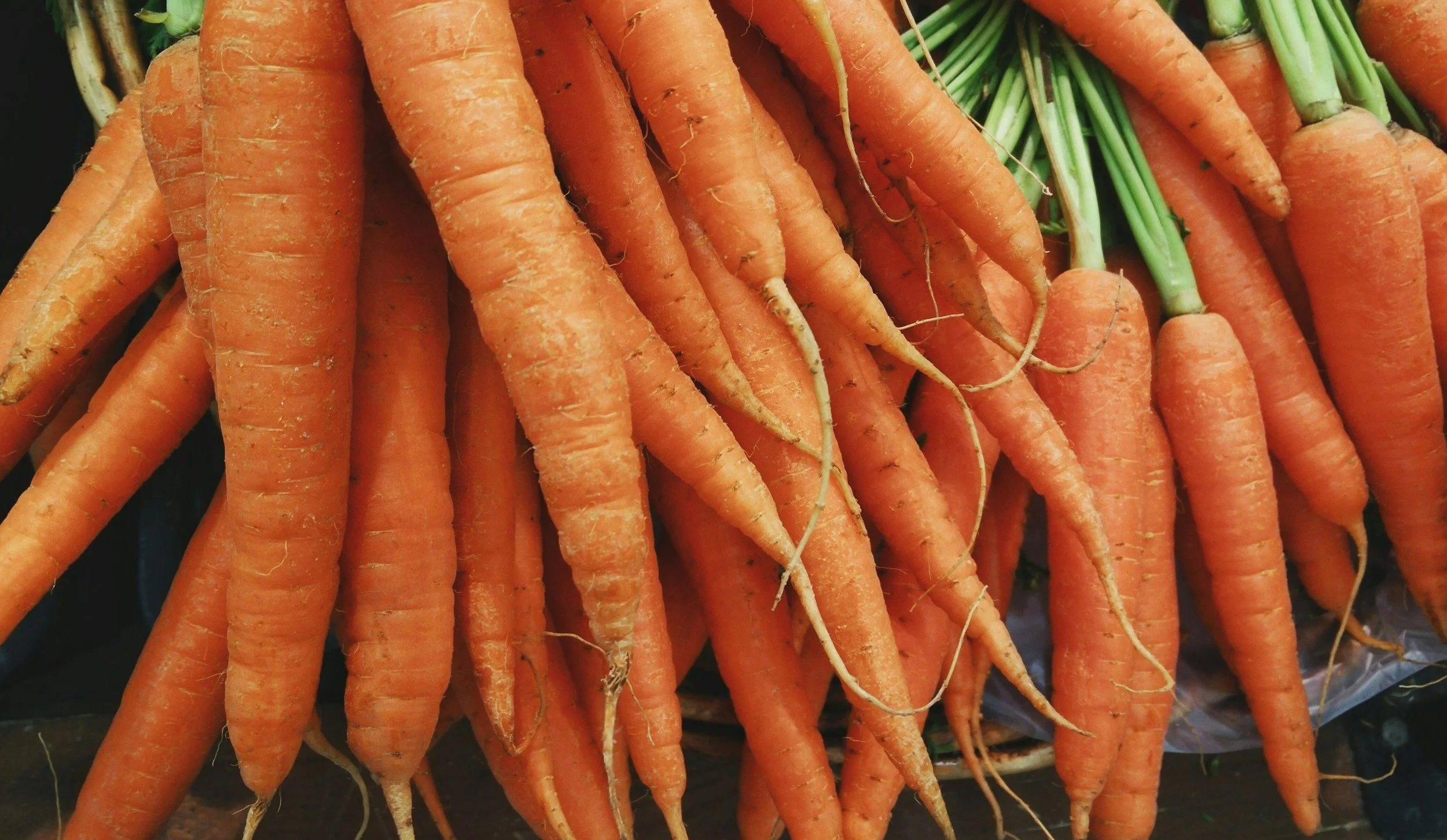
Many of us grew up hearing "eat your carrots or you'll need glasses!" While carrots contain beta-carotene, a precursor to vitamin A, they won't magically grant you 20/20 vision or night vision. However, vitamin A is crucial for eye health, maintaining the cornea (the clear dome at the front of your eye) and helping produce pigments for low-light vision. Vitamin A deficiency can cause vision problems, but this is more of a concern in developing countries.
The Real Eye Powerhouses
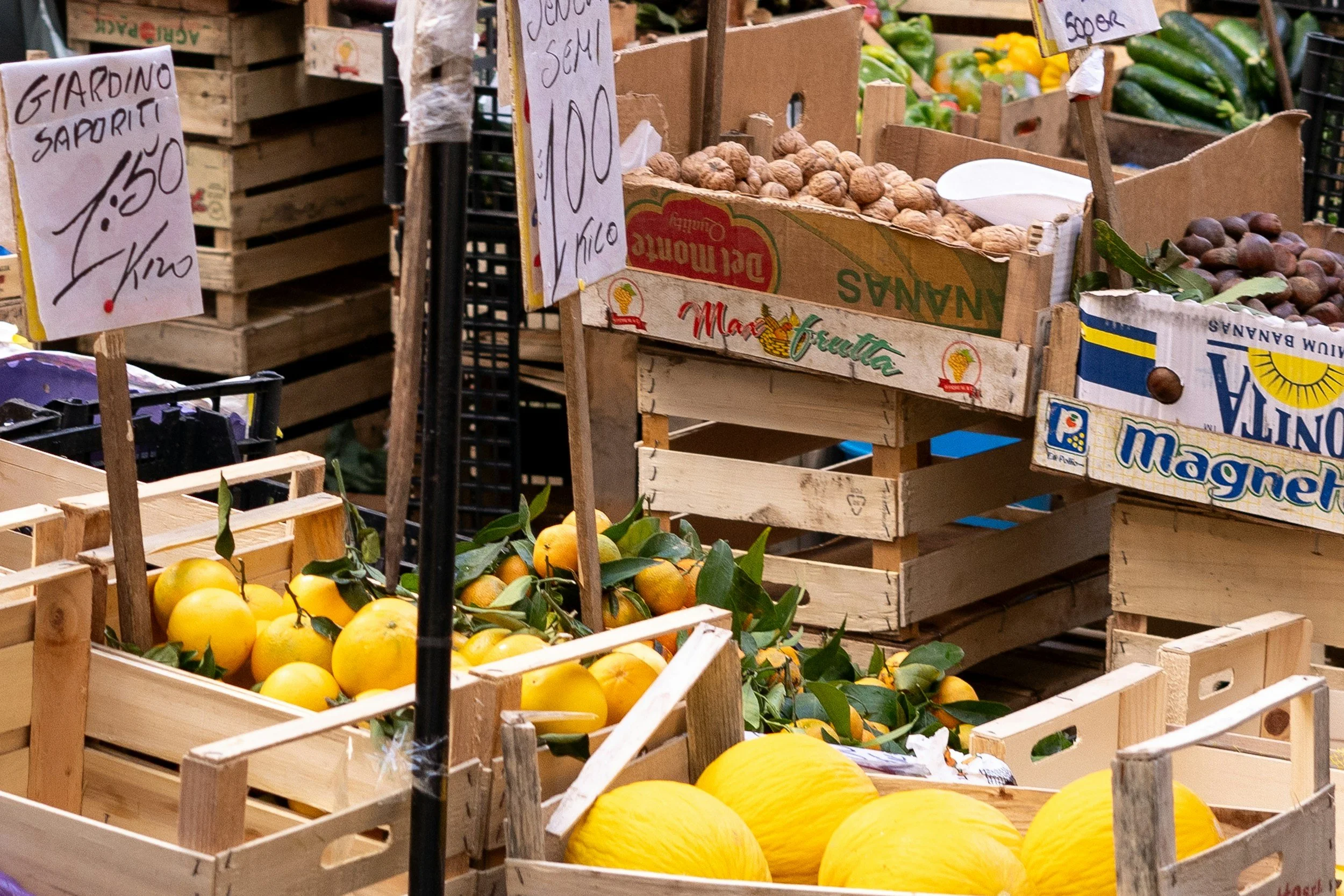
Now, let's get to the exciting stuff - the foods packed with nutrients that truly support healthy eyes:
Lutein and Zeaxanthin: These carotenoids are found in high concentrations in the macula, the central part of your retina responsible for sharp central vision. They act as natural sunblock for the retina, protecting it from free radical damage and potentially improving visual performance, especially contrast sensitivity (essential for activities like driving at night). Leafy greens like spinach and kale are excellent sources, along with egg yolks.
Vitamin C: This powerful antioxidant protects your eyes' structural integrity and fights oxidative stress. It might also delay cataracts and is found in high concentrations in the aqueous humor, the fluid at the front of the eye. Citrus fruits are classics, but don't forget about strawberries, kiwi, and even brussel sprouts!
Omega-3 Fatty Acids: DHA and EPA are crucial for your retina's photoreceptor cells, responsible for capturing light and sending signals to the brain. Omega-3s also have anti-inflammatory properties, potentially benefiting conditions like dry eye disease and macular degeneration. Fatty fish like salmon, tuna, sardines, and mackerel are your best bet.
Vitamin E: This fat-soluble antioxidant works within cell membranes, protecting the retina from oxidative stress due to its constant light exposure. Nuts, seeds, avocados, leafy greens, and some oils like sunflower or safflower oil are great sources.
Zinc: Often overlooked, zinc plays a vital role in eye health. It helps produce melanin, a pigment that shields your eyes from harmful UV rays. Oysters, lean red meat, poultry, legumes (lentils, chickpeas), nuts & seeds, dairy products, and whole grains are rich in zinc.

Putting it All Together
There's no magic bullet for perfect vision, but a diet rich in these essential nutrients can significantly benefit your eye health. Aim for a variety of colorful fruits and vegetables, incorporate healthy fats from fish or plant sources, and don't forget whole grains and lean protein.
Remember, the key is to start early and incorporate these eye-friendly foods into your diet consistently. By nourishing your body, you're nourishing your vision for a lifetime of healthy sight.
Connect with Me:
Follow me on Instagram
- Have a question about this episode or a future topic? Reach out to me at hello@drrupawong.com
Don’t forget to subscribe to It’s Good to See You wherever you listen, and if you found this episode helpful, please leave a review to help more parents discover this show!